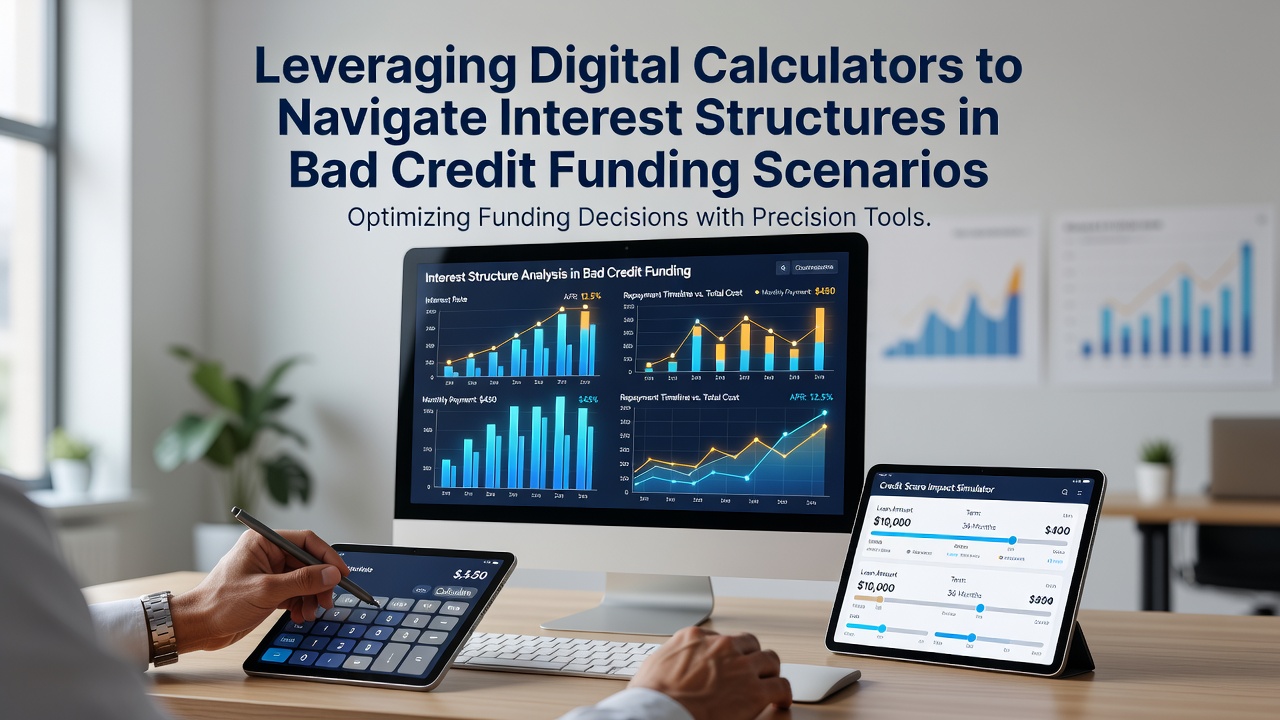
Navigating Complex Interest Calculations in Subprime Financing Through Digital Tools
Digital calculators have become standard resources for individuals examining interest structures within bad credit funding arrangements, and these tools process variables including principal amounts, repayment periods, and risk-based rate adjustments to produce detailed projections. Observers note that users input personal financial details into online platforms, which then apply formulas to illustrate how compounded interest accumulates over time, particularly when credit scores fall below conventional thresholds that lenders typically require.
Understanding Interest Rate Mechanics in High-Risk Credit Markets
Interest structures in subprime funding often feature tiered rates that adjust according to borrower profiles, and digital calculators allow precise modeling of these variations by factoring in elements such as origination fees alongside annual percentage rates. Research indicates that borrowers with limited credit histories encounter rates ranging from 15 to 36 percent in many jurisdictions, with calculators revealing the cumulative effect on total repayment sums through side-by-side scenario comparisons. Those who've studied lending data find that even minor rate differences compound significantly across multi-year terms, turning what appears as a straightforward loan into a substantially larger obligation by the final payment.
Calculators further break down fixed versus variable rate options, which helps clarify how market shifts might alter monthly obligations during periods of economic fluctuation. In August 2026, updates to consumer protection guidelines across multiple regions prompted lenders to disclose rate calculation methods more transparently, and digital tools incorporated these changes by adding fields for regulatory compliance notes that users can review before proceeding.
Practical Applications of Calculator Features for Bad Credit Scenarios
Users frequently start with basic inputs like requested loan amounts and desired terms, after which advanced calculators expand the output to include amortization schedules that separate principal reductions from interest portions in each installment. This breakdown proves especially useful when comparing offers from direct lenders who specialize in bad credit products, because it highlights how shorter repayment windows can reduce overall interest despite higher monthly figures. Evidence from financial literacy programs shows that repeated use of such tools correlates with improved decision-making among those navigating limited credit options.
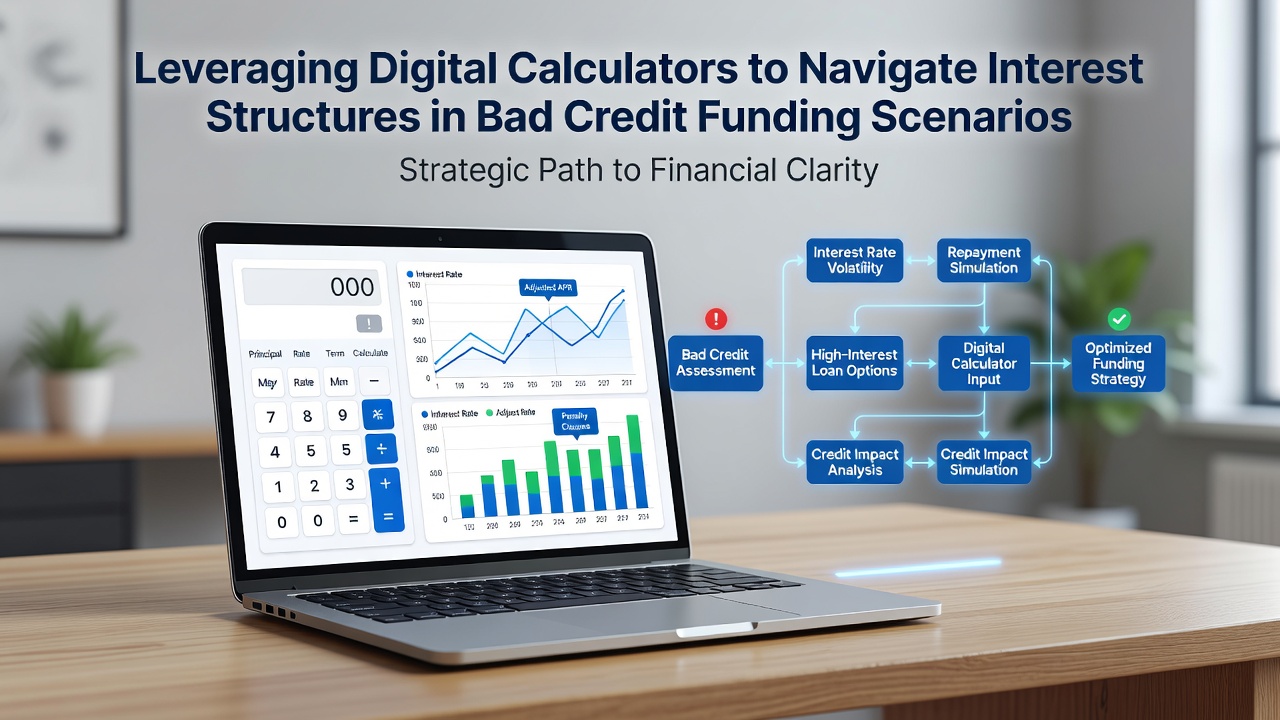
Additional functions allow adjustment for extra payments or lump-sum contributions, demonstrating accelerated payoff timelines and corresponding interest savings without requiring manual spreadsheet work. Observers report that people in August 2026 increasingly accessed mobile versions of these calculators while reviewing offers, since real-time updates helped account for any last-minute adjustments from lenders. What's interesting is how integration with credit score simulators sometimes accompanies these interest tools, providing a combined view of how improved scores might unlock better rates in future applications.
Regulatory Context and Data Sources Informing Calculator Accuracy
According to reports from the Consumer Financial Protection Bureau, accurate calculator models rely on up-to-date regulatory disclosures that lenders must provide, ensuring estimates reflect actual terms rather than promotional figures alone. Australian Securities and Investments Commission guidelines similarly emphasize the need for clear interest illustrations in high-cost credit products, and many digital platforms now embed links to these standards within their interfaces. Researchers discovered through industry analyses that discrepancies between estimated and actual costs often stem from overlooked fees, which calculators mitigate by including customizable fields for such charges.
Academic studies from European universities have examined how interactive tools influence borrower comprehension of compound interest in subprime environments, revealing measurable gains in understanding when visual graphs accompany numerical outputs. Those who've reviewed these findings note that calculators help bridge knowledge gaps particularly for users who previously relied solely on verbal explanations from loan officers. Data shows consistent patterns across regions where digital access expands, with more individuals requesting detailed breakdowns before signing agreements.
Conclusion
Digital calculators continue to serve as accessible entry points for decoding interest structures in bad credit funding, and ongoing refinements in August 2026 reflect both technological advances and shifting regulatory expectations. People benefit from the ability to test multiple configurations quickly, which supports informed comparisons across available options without immediate commitment to any single lender. External resources from government agencies and research institutions remain valuable supplements that enhance the reliability of these online instruments over time.